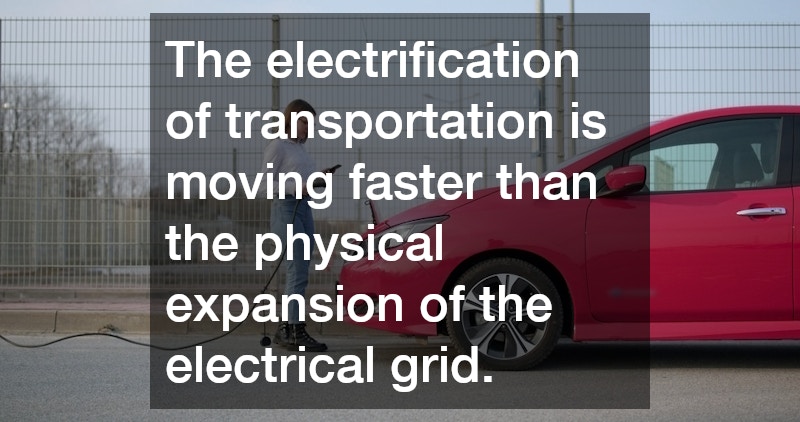
The rapid rise of electric vehicles is no longer a localized trend or a distant projection. Across the country, millions of drivers are plugging in at home, at work, and at public fast-charging stations. While this shift represents a massive victory for environmental sustainability, it introduces an unprecedented operational challenge for the organizations tasked with keeping the lights on: electric utility companies.
Historically, electric grids were designed for predictable, one-way power flows with clear morning and evening peak hours. The introduction of heavy, highly variable electric vehicle loads completely disrupts these traditional patterns. To survive and thrive in this new landscape, power providers must shift from legacy, reactive operations to data-driven strategies powered by advanced technology. At the center of this transformation is electric utility asset management software.
The Invisible Strain on Local Grid Infrastructure
When a driver installs a high-powered Level 2 charger at home, their residential power consumption can instantly double. When multiple neighbors on the same street buy electric vehicles and plug them in simultaneously after work, the localized impact is dramatic.
The primary victim of this unmanaged charging behavior is the local distribution transformer. These pieces of equipment, often mounted on neighborhood utility poles or green ground pads, are designed to cool down during the night when overall community power usage drops. Continuous, heavy overnight charging from electric vehicles deprives transformers of this critical cooling period. The resulting thermal stress accelerates internal degradation, heavily shortens the lifespan of the asset, and can lead to sudden, catastrophic failures.
Furthermore, commercial fleet depots and highway direct-current fast-charging stations demand immense amounts of power. A large truck charging hub can draw as much electricity as a sports stadium. Without deep visibility into the exact health and capacity of existing grid assets, utilities risk facing localized blackouts, voltage drops, and severe grid congestion.
How Asset Management Software Provides Grid-Edge Visibility
Utilities cannot protect or optimize what they cannot see. A major hurdle for grid planners is that a significant percentage of residential electric vehicle chargers are un-enrolled in official utility programs, making them essentially invisible to the back office.
Modern electric utility asset management software solves this problem by integrating advanced metering infrastructure data with geographic information systems. The software utilizes intelligent load-disaggregation algorithms to scan smart meter consumption patterns, automatically detecting the unique electrical signatures of vehicle charging.
By mapping these invisible loads directly to the physical assets that supply them, the software gives operators a clear picture of grid-edge stress. Engineers can immediately identify which specific transformers are operating outside safe thermal limits and which neighborhoods are emerging as high-risk hotspots for equipment failure.
Shifting from Blanket Upgrades to Strategic Capital Expenditure
The traditional answer to rising electrical demand was simple: build more infrastructure. However, blindly replacing every neighborhood transformer and upgrading every substation feeder is financially impossible and logistically impractical. Lead times for purchasing new service transformers have increased significantly, sometimes taking years to fulfill, and blanket infrastructure overhauls would drive up ratepayer electricity bills to unsustainable levels.
Electric utility asset management software enables a proactive, highly targeted approach to capital planning. Instead of relying on guesswork, utility financial and engineering teams can use the software to run complex load simulations. These tools model future vehicle adoption rates alongside localized demographic data to predict exactly where and when the grid will experience capacity constraints.
With these insights, utilities can precisely prioritize investments. They can replace a single, critically overloaded transformer before it blows, while deferring expensive upgrades on healthier segments of the grid. This targeted strategy extends the operational life of existing equipment and saves millions of dollars in capital expenditure.
Enabling Smart Charging and Non-Wire Alternatives
Upgrading physical hardware is not the only way to manage the electric vehicle boom. Electric utility asset management software plays a foundational role in orchestrating non-wire alternatives, such as active managed charging programs.
When the software detects that a specific circuit is approaching its maximum safe operating capacity, it can communicate directly with managed charging platforms. Instead of allowing dozens of vehicles to draw maximum current at the exact same time, the system can intelligently throttle down charging speeds or stagger charging windows across the night.
This shifting of the peak load ensures that vehicles are fully charged by morning without pushing local infrastructure past its breaking point. In the long term, this software capability lays the foundation for vehicle-to-grid integration, turning parked cars into flexible energy storage assets that can actually feed power back into the system during periods of high demand.
The Path Forward for Utility Operators
The electrification of transportation is moving faster than the physical expansion of the electrical grid. Utilities can no longer rely on paper records, disconnected spreadsheets, or generic enterprise asset management systems that do not understand the physics of a power network.
Investing in specialized electric utility asset management software is the definitive step toward building a resilient, flexible, and reliable grid. By unlocking real-time asset visibility and leveraging predictive analytics, power providers can confidently welcome the electric vehicle revolution without sacrificing the stability of the communities they serve.
Secure the Future of Your Grid
Is your distribution network ready for the next wave of electric vehicle adoption? Do not wait for transformer failures and localized outages to dictate your operational strategy. Contact our team today to schedule a comprehensive demonstration of our industry-leading electric utility asset management software and discover how proactive data can protect your infrastructure and optimize your capital investments.